Green Initiatives: How E-Waste Recycling Services Are Protecting Our Planet
Electronic waste presents serious dangers to the environment, as abandoned electronic devices commonly carry harmful materials. Such dangerous compounds can pollute soil and water supplies, resulting in widespread environmental harm. E-waste recycling services present a viable solution. They not only recover valuable resources but also mitigate pollution. Gaining insight into how these programs function and affect local communities is critical. Pursuing efficient e-waste management brings forth pressing questions regarding individual duties and shared responsibility. What actions should be considered going forward?
How E-Waste Is Hurting the Planet
Although technology enriches modern life, electronic waste presents considerable environmental hazards. Discarded electronic devices, commonly laden with hazardous materials such as cadmium, lead, and mercury, can leach toxins into groundwater and soil, creating hazards for both wildlife and human well-being. The swift progression of technology leads to higher rates of electronics disposal among consumers, exacerbating the accumulation of e-waste.
Landfills, already burdened with waste, struggle to accommodate the growing volumes of discarded gadgets. Incineration, another disposal method, releases harmful pollutants into the atmosphere, contributing to air quality degradation. Furthermore, inadequate recycling methods can result in the shipment of electronic waste to underdeveloped nations, where workers may break down equipment without proper protective measures, putting themselves at risk of exposure to hazardous materials. This cycle of neglect and improper handling underscores the urgent need for sustainable recycling solutions that can mitigate the adverse effects of e-waste on the planet.
What Is E-Waste and Its Importance?
Electronic waste, commonly known as e-waste, includes obsolete electronic products including smartphones, computers, and televisions that have reached the end of their useful life. This increasingly prevalent form of waste is important due to its rapid accumulation, driven by technological advancements and consumer trends. As growing numbers of electronics become outdated, the toll on the environment grows more severe, with harmful substances like lead, mercury, and cadmium posing risks to ecosystems and human health.
The importance of addressing e-waste lies not only in mitigating these hazards but also in recognizing the valuable materials it contains. Precious metals and rare earth elements can be recovered and reused, reducing the need for mining and conserving natural resources. With a thorough understanding of e-waste and its impact, people and organizations alike can make educated decisions about disposal and recycling, helping to build a more sustainable world. Responsible management of e-waste plays a key role in supporting a circular economy and championing environmental stewardship.
How E-Waste Recycling Works
E-waste recycling entails a structured approach intended to extract beneficial components while minimizing environmental impact. Initially, electronic waste is gathered and delivered to purpose-built recycling plants. After reaching the facility, the devices undergo thorough sorting to separate hazardous components from recyclable materials.
After this step, technicians dismantle the products, extracting glass, metals, and plastics. This stage is crucial, as it facilitates the reclamation of high-value metals like gold, silver, and copper, which can be recycled in modern electronics.
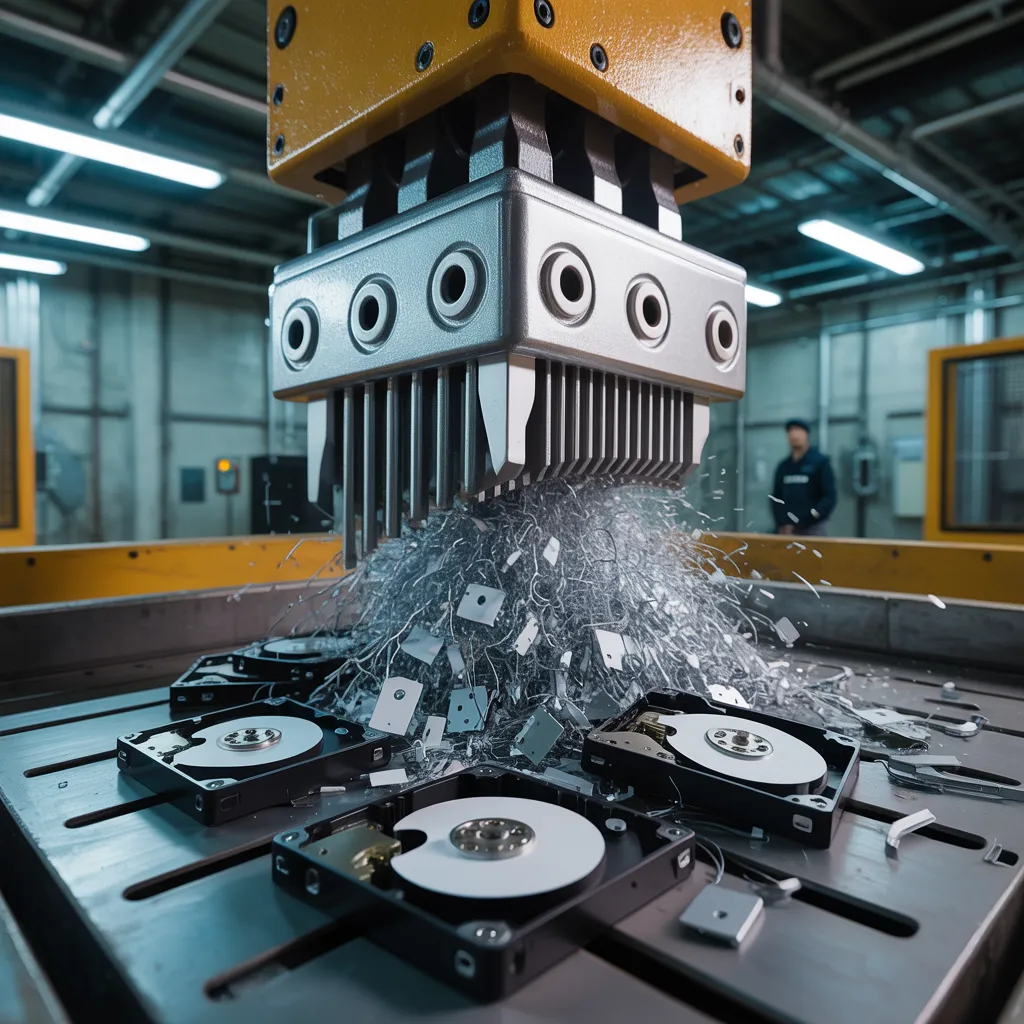
Subsequently, the sorted materials are refined via cutting-edge techniques, such as shredding and chemical treatments, to cleanse them for further use.
Finally, the remaining hazardous waste is handled with responsibility, following environmental guidelines. This comprehensive process not only saves important resources but also mitigates the risks linked to unsafe e-waste handling, guaranteeing a greener future for electronic consumption.
Advantages of E-Waste Recycling for You and Your Community
While many individuals may not realize it, the benefits of e-waste recycling go far beyond individual benefit and actively shape entire communities. By properly recycling electronic waste, individuals contribute to a safer environment, decreasing harmful substances that can contaminate soil and water. This forward-thinking practice helps preserve local ecosystems and advances public health.
Furthermore, the recycling of e-waste encourages the creation of jobs in communities. Nearby recycling establishments regularly need employees for a range of functions, from collection to processing, thereby providing employment opportunities to area workers. This not only enhances the community economy but also promotes community participation in sustainable initiatives.
Furthermore, familiarity with e-waste recycling can lead to awareness campaigns, equipping residents to pursue greener alternatives. By participating in e-waste recycling programs, individuals cultivate a culture of sustainability, prompting others to follow suit. In summary, the collective impact of these actions can create a more sustainable and conscientious community.
How to Pick an E-Waste Recycling Service
Picking the right e-waste recycling service is crucial for ensuring that e-waste is processed in a responsible and sustainable manner. First, consumers should check the provider's accreditations, such as e-Stewards or R2, which signify adherence to industry standards for secure waste disposal procedures. It is equally important to assess the company's standing by checking reviews and obtaining referrals from reliable sources.
Next, openness in the recycling process is crucial. A trustworthy company should supply straightforward details about how e-waste is processed and how the materials are utilized. Furthermore, assessing the variety of services available can be advantageous; some companies may provide pickup services or offer incentives for recycling.
Furthermore, understanding local guidelines related to e-waste disposal can help inform the decision-making process. Through focusing on these key aspects, individuals can contribute to effective e-waste management while supporting environmentally responsible practices.
Ways You Can Participate in E-Waste Recycling?
Participating in e-waste recycling can start at the local level, where community recycling hubs frequently offer essential services for responsible disposal. Additionally, joining community awareness campaigns can strengthen efforts to inform others regarding the importance of proper e-waste handling. These actions not only promote sustainability but also build a collective sense of stewardship of the environment.
Local Recycling Centers
Many community recycling facilities fulfill a critical purpose in electronic waste recycling, providing communities with accessible options to discard electronic waste in an eco-friendly way. These facilities handle a wide array of digital devices, including outdated computers, mobile phones, and TVs, making certain that hazardous materials are managed safely. Many hubs feature experienced team members who are able to assist individuals with correct disposal techniques, underscoring the benefits of recycling compared to landfilling. Moreover, many centers offer drop-off events Click here or designated collection days, making it easy for residents to participate. By utilizing these local services, individuals contribute to a circular economy, lowering environmental harm and encouraging sustainable habits. Partnering with these facilities empowers communities to take action against e-waste pollution effectively.
Community Awareness Campaigns
Community groups, educational institutions, and companies can collaborate to host events that promote e-waste collection drives. Community members can serve a critical function in spreading awareness, distributing educational materials, and engaging with the community. Through these collective efforts, local inhabitants gain greater awareness and encouragement to properly recycle their e-waste, thereby helping to build a greener and more sustainable tomorrow.
Frequently Asked Questions
Which Types of Electronics Are Recyclable?
Numerous electronics may be recycled, including computers, smartphones, televisions, laptops, gaming consoles, and printers. In addition, peripherals such as mice, keyboards, and batteries are equally appropriate for recycling, contributing to environmental conservation efforts.
Are There Fees Involved With E-Waste Recycling?
Yes, e-waste recycling sometimes comes with charges, depending on the provider. Certain providers impose charges for pickup or handling, while some providers provide no-cost solutions, often subsidized by the sale of reclaimed components.
What Are the Benefits of E-Waste Recycling for Businesses?
Companies can take advantage of e-waste recycling by lowering disposal expenses, enhancing their environmental image, complying with regulations, recovering valuable materials, and potentially generating revenue through resale, thereby fostering a more environmentally responsible business approach.
What Occurs with Data on Recycled Devices?
Data regarding repurposed equipment is frequently completely removed or destroyed during the refurbishment process. This guarantees private details remains secure, stopping improper access while enabling components to be reused safely and responsibly in new products.
Is It Possible to Recycle Damaged Electronics?
Yes, broken electronics are able to be recycled. Several collection points accept defective devices, providing responsible disposal and recovery of recoverable materials. This helps decrease harm to the environment while encouraging responsible recycling practices to handle electrical waste responsibly.